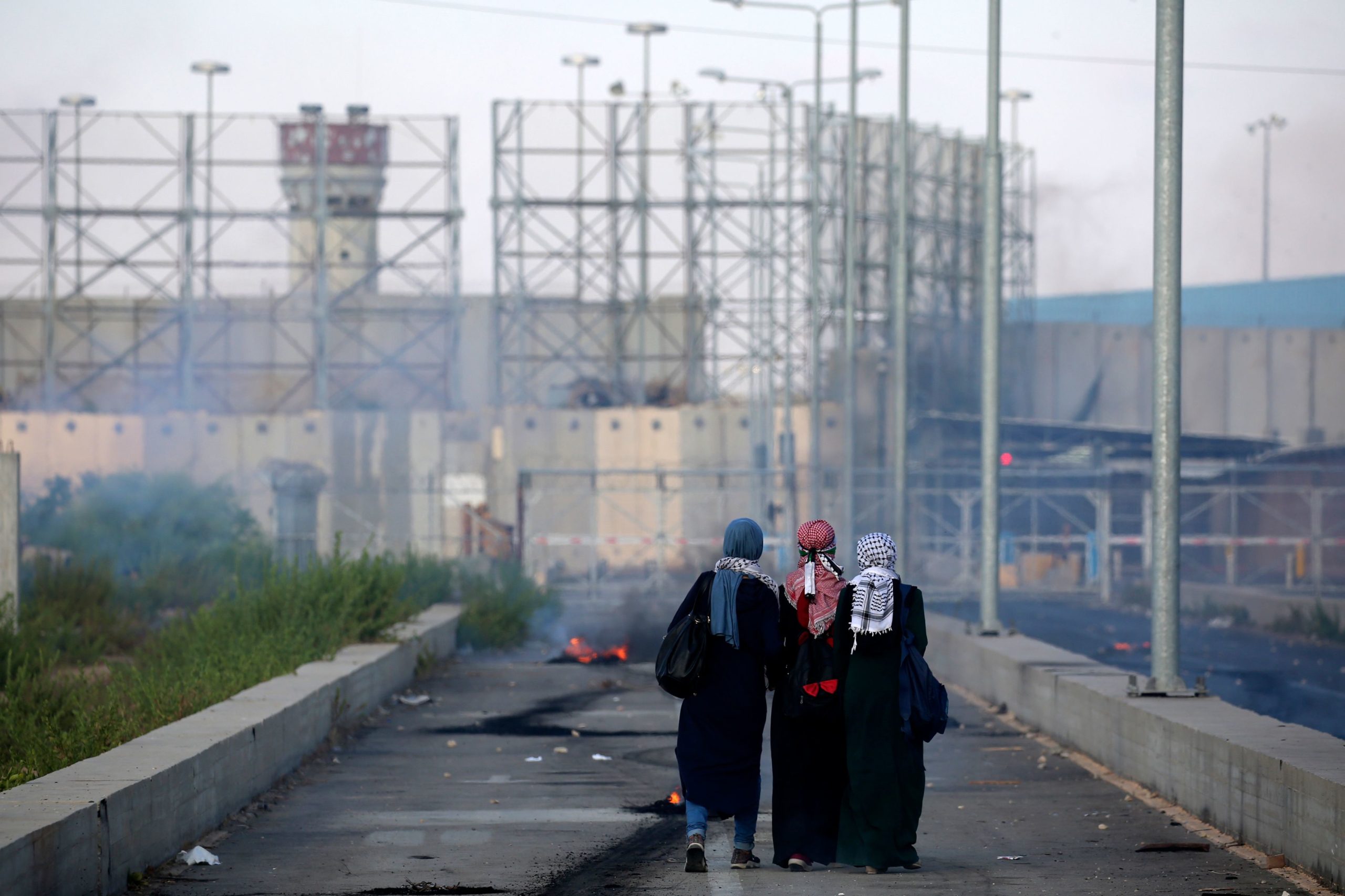
The Nahost, a region steeped in history, cultural richness, and immense geopolitical significance, remains a perpetual flashpoint on the global stage. The complex interplay between key actors like Israel, Iran, and the United States continuously fuels a volatile Nahost situation, pushing the entire Middle East to the brink of wider conflict. While immediate escalations are often met with calls for de-escalation, the underlying tensions persist, making any semblance of peace profoundly fragile. This article delves into the intricate dynamics of the region, examining how the actions and reactions of these three powerful players contribute to a cycle of crisis and instability, with profound implications for regional and international security.
The Volatile Nahost Situation: A Region on Edge
The term Nahost, or Middle East, traditionally encompasses a vast and diverse area stretching from North Africa to Southwest Asia. Geographically, it often includes countries of the former Ottoman Empire such as Bahrain, Iraq, Israel, Jordan, Kuwait, Lebanon, Oman, Qatar, Saudi Arabia, Syria, UAE, and Yemen, with Egypt, Iran, Turkey, and Cyprus sometimes also included. This region, primarily Arabic-speaking and predominantly Islamic, is a mosaic of cultures, religions, and political systems. However, beneath this diversity lies a deeply fractured landscape, frequently embroiled in conflict.
Since October 2023, the Nahost situation has been particularly perilous, marked by the devastating war between Israel and Hamas in Gaza, which has resulted in widespread destruction and immense human suffering. This conflict has regrettably spilled over, triggering regular skirmishes between Israel and Hezbollah in Lebanon, despite agreed-upon ceasefires that are frequently violated. Further complicating the picture are internal conflicts in Syria, such as those between Druze and Sunni Bedouin factions, which have seen Israeli intervention, allegedly to support the Druze community. This interconnected web of conflicts illustrates how local disputes can rapidly escalate, drawing in regional and global powers, thereby exacerbating the already fragile regional stability.
Escalation and De-escalation: The June 2025 Flashpoint
The year 2025 witnessed a particularly alarming escalation that brought the Nahost situation perilously close to a full-scale regional war. In June, Israel launched direct attacks on Iran, marking a significant departure from years of proxy conflict. Iran swiftly retaliated, signaling a dangerous new phase in their long-standing antagonism. Days later, the United States intervened militarily, bombing Iranian nuclear facilities. This dramatic sequence of events prompted US President Donald Trump to declare a fragile ceasefire between Israel and Iran, highlighting the immediate global concern over a spreading conflagration.
Amidst this turmoil, Trump vehemently disputed intelligence reports suggesting Iran had managed to secure enriched uranium before the US strikes. Through his Truth Social platform, he claimed, "It was nothing removed from the facility," asserting that any observed vehicle movements were merely "concrete workers" attempting to cover shafts. He further lambasted media outlets questioning the success of the US operations, accusing them of "fake news" and demanding apologies for US "warriors." This episode underscored not only the high stakes of the military actions but also the deeply polarized information environment surrounding the conflict. Trump's dismissal of intelligence and attacks on media added another layer of complexity to the already opaque Middle East situation, challenging conventional understandings of transparency and accountability in international crises. The swift, if temporary, de-escalation orchestrated by the US, following its own military action, showcased the delicate balance of power and the intricate dance between aggression and mediation in the region.
Iran's Nuclear Ambitions and International Scrutiny
At the heart of many regional tensions, particularly those involving Israel and the US, lies Iran's controversial nuclear program. Following the US and Israeli attacks on its nuclear facilities, Iran's Guardians Council approved a parliamentary decision to temporarily suspend cooperation with the International Atomic Energy Agency (IAEA). This move, awaiting presidential signature, signifies a major setback for international efforts to monitor Iran's nuclear activities and ensure their peaceful nature.
Iran's parliamentary president, Mohammed Bagher Ghalibaf, stated clear conditions for resuming cooperation: the IAEA must condemn the US and Israeli attacks on its nuclear facilities and formally acknowledge Iran's nuclear program. This suspension of IAEA inspections is a critical development. The IAEA serves as the world's nuclear watchdog, responsible for verifying that nuclear materials are not diverted for weapons purposes. Its inspectors play an indispensable role in providing transparency and building confidence. Denying them access raises serious proliferation concerns, potentially leading to further international isolation and an increased risk of military confrontation.
For a deeper dive into the specific challenges and implications of this diplomatic impasse, including the ramifications of the US strikes and Iran's strategic response, readers can refer to Iran's Nuclear Standoff: US Strikes and IAEA Access Suspension. The international community views the uninterrupted monitoring of Iran's nuclear sites as paramount for regional stability and global non-proliferation, making this aspect of the Nahost situation a constant source of anxiety.
Beyond the Headlines: Understanding Regional Dynamics
While the direct confrontations between Israel, Iran, and the US often dominate headlines, the Nahost situation is characterized by a multitude of interconnected conflicts and deep-seated rivalries that collectively contribute to its chronic instability.
The Israel-Hezbollah Front
Since the outset of the Gaza war in October 2023, the northern border of Israel with Lebanon has seen persistent exchanges of fire involving Hezbollah. This powerful, Iran-backed Shiite militant group and political party views itself as a defender of Lebanon and an adversary of Israel. Despite a ceasefire agreed upon in November 2024, violations are commonplace, with rockets launched from Lebanon often met by Israeli airstrikes. This constant low-intensity conflict keeps the region on edge, with the risk of a full-scale war between Israel and Hezbollah remaining a significant concern, as both sides possess substantial military capabilities. As Nahost expert Daniel Gerlach noted in the context of previous escalations, neither Israel nor Hezbollah truly desires a major war, yet incidents like rocket fire (e.g., on children at the Golan) can quickly spiral out of control. For further analysis on this paradox of aversion to war amidst spreading conflict, explore Nahost: Analyzing the Spreading Conflict Despite Aversion to War.
Syria's Internal Strife and External Interference
Syria continues to be a battleground for various factions, with regional and international powers frequently intervening. From April to July 2025, the southern province of Suweida witnessed intense clashes between the religious minority of the Druze and Sunni Bedouins. The Syrian transitional government deployed troops, but Israel responded with targeted attacks on government objectives in Damascus. Israel claimed these strikes were in support of the Druze, reflecting its complex security interests and willingness to project power into neighboring territories. Such interventions illustrate how internal conflicts are rarely contained, becoming conduits for external actors to advance their own strategic agendas, further destabilizing the already complex regional landscape.
The Peril of Proxy Warfare
A defining feature of the Nahost situation is the prevalence of proxy warfare. Iran, for instance, supports groups like Hezbollah in Lebanon, Hamas in Gaza, and various militias in Iraq and Yemen. These proxies allow Iran to extend its influence and challenge its adversaries without engaging in direct, conventional warfare, which carries higher risks. Similarly, other regional powers and global actors support their own client groups. While intended to limit direct confrontation, proxy conflicts often perpetuate violence, undermine state authority, and make resolution incredibly difficult, as the interests of various actors are intertwined with the survival and success of their proxies. This indirect approach sustains a simmering conflict across the region, making long-term stability an elusive goal.
Conclusion
The Nahost situation remains an intricate web of historical grievances, geopolitical rivalries, and volatile contemporary conflicts. The direct military confrontations between Israel and Iran, the US's intervention and subsequent declaration of a ceasefire, and the ongoing nuclear standoff with the IAEA underscore the profound dangers inherent in the region. Coupled with persistent proxy wars, internal strife in countries like Syria, and the humanitarian catastrophe in Gaza, the Middle East continues to operate on a knife-edge. While a full-scale regional conflagration is often averted by a fragile balance of power and a shared, if unspoken, aversion to total war, the risk of miscalculation or uncontrolled escalation is ever-present. Achieving lasting peace and stability in the Nahost requires more than just temporary ceasefires; it demands sustained diplomatic efforts, a commitment to international law, and a genuine addressing of the underlying causes of conflict, ensuring the security and dignity of all peoples in this crucial part of the world.